


At 19, TchiTchi Is Turning Identity, And Language Into Sound
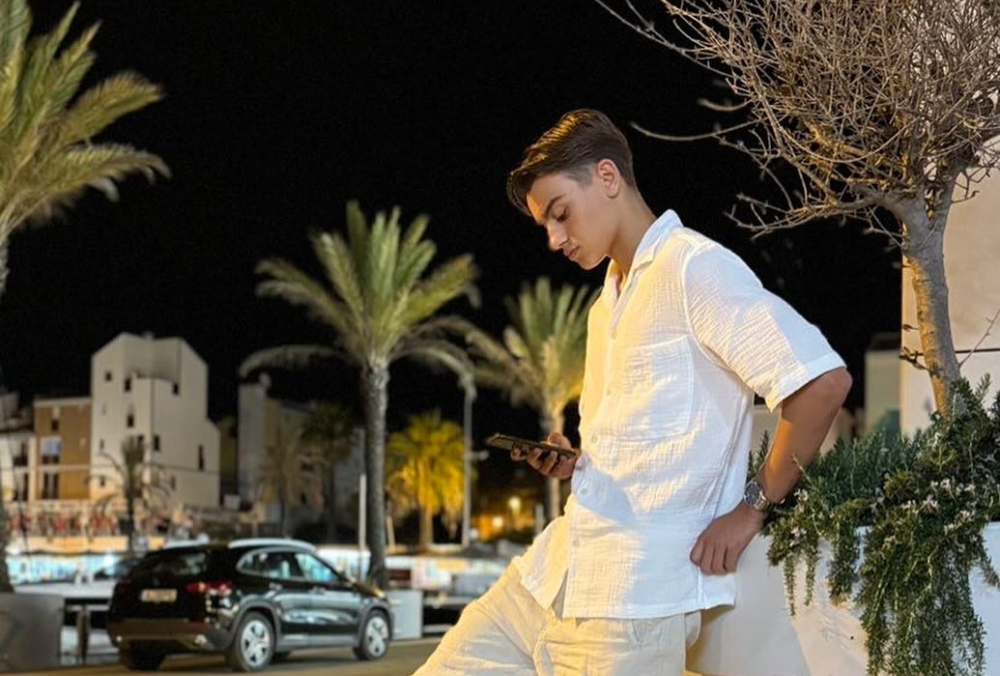
Four languages. Two continents. One artist who hasn’t even hit 20. TchiTchi doesn’t fit neatly into a single scene, and that’s entirely the point. The Oslo-raised, US-based artist carries Portuguese heritage, a self-taught production sensibility, and a creative restlessness that turns every track into an identity exercise — not in the performative sense, but in the way someone figures out who they are by making things and seeing what’s honest.
At the center of TchiTchi’s approach is language itself. He writes across Norwegian, English, Portuguese, and Creole, often cycling through multiple versions of a song before landing on the one that fits. “When I start writing songs I usually write in Norwegian first,” he explained in a recent interview. “It’s easier for me to get the ideas down that way and then translate them later.” That process played out most visibly on “Irmãos,” a track that existed in three different languages before Portuguese won. “I realized that the emotion of the song fit Portuguese best,” he said.
The song itself documents something deeply personal: brotherhood, loyalty, and the shared weight of growing up alongside people who shaped him. TchiTchi described the lyrics as reflections of “the loyalty and struggles we experienced growing up — friendship, brotherhood, falling down and getting back up together.” Still, he drew a deliberate line between honesty and overexposure. “Not everything, but enough to make the story real,” he noted.
His move from Oslo to the US added another layer. New sounds, new production methods, new cultural codes. “Being here has introduced me to new sounds, instruments, and production methods,” TchiTchi said. “It has pushed me to experiment more.” That experimentation anchors his genre-blending philosophy, which he approaches with discipline. “Even if the sounds come from different styles, the song still needs a consistent rhythm, mood, or message that connects everything.”
Meanwhile, his debut album Kings Will Dream is getting the deluxe treatment — not as a victory lap, but as an honest reassessment. “I know I wasn’t as good as I want to be yet, and that’s normal,” he admitted. “Every project is part of the learning process.”
What comes next carries even more weight. TchiTchi’s forthcoming album, Dyslexia, draws directly from his experience growing up with the condition. “I remember crying after tests because I did badly — not because I didn’t try, but because I simply couldn’t remember the things I studied,” he shared. Over time, he caught up and eventually surpassed expectations. “In a way, dyslexia was also a gift because it helped shape my imagination and creativity.”
At 19, TchiTchi isn’t waiting for permission to evolve. He’s already doing it — one language, one beat, one honest line at a time.