


Eshan Agarwal Turns Relationship Loss Into a Full Narrative
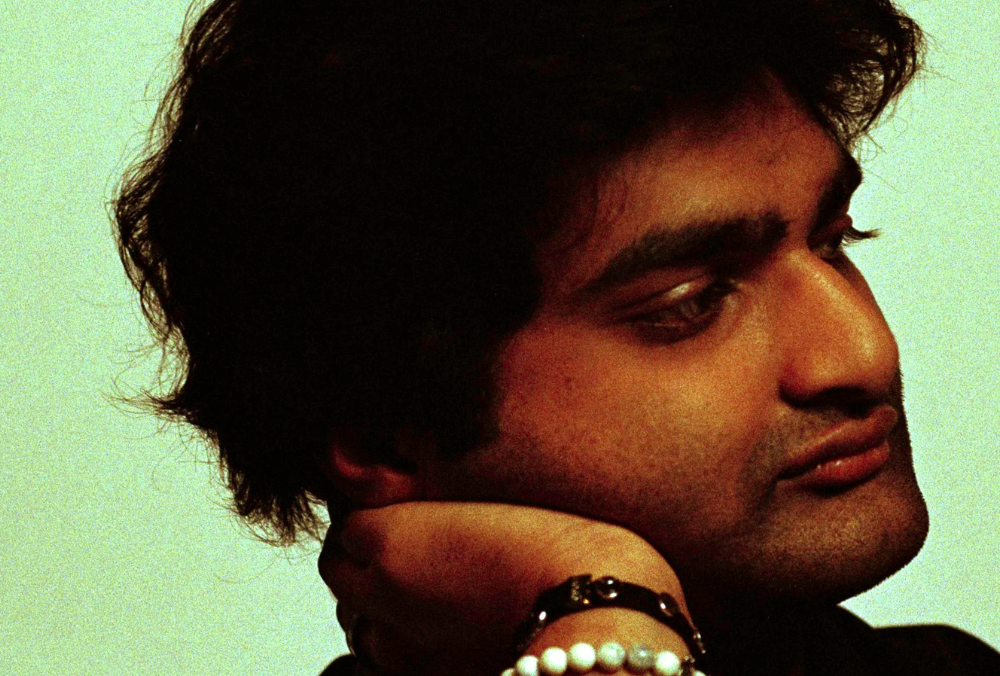
Eshan Agarwal, the Scarsdale-born, Manhattan-based singer-songwriter, has been writing music since the age of five — not as a hobby, but as a primary language. Growing up close to New York City exposed him early to an unusually wide sonic range, from classic rock and jazz to musical theatre, R&B, and pop, all of which eventually found their way into his compositional instincts. Add synesthesia to that foundation — a neurological condition through which Agarwal perceives sound as color — and what emerges is a creative process that operates on multiple sensory layers simultaneously, where melody informs palette and palette informs structure.
His catalog built steadily before his debut album arrived. His debut EP Lost, released in 2024, introduced his songwriting approach to a wider audience, followed by singles including “Never After,” “Half of the Way,” and “Till the Moment is Right.” Earlier this year, pre-album singles “The Siren,” “Last Hour,” and “That One’s On Me” established the tonal and narrative direction of what was coming — accumulating over 65,000 Spotify streams independently, without major label infrastructure behind him.
What was coming, it turns out, was one of the more structurally considered debut albums in the independent pop space this year.
Strangers Again, released April 17, is a twelve-track project that traces the complete arc of a relationship — attraction, connection, conflict, accountability, and separation — in deliberate sequence. Rather than approaching the subject as a collection of isolated emotional snapshots, Eshan Agarwal builds a continuous narrative, where each track functions both as a standalone moment and as a chapter inside something larger. Speaking to Stereo Saints, he described the governing logic clearly: “You can feel like you’ve reached the end of something, and the next day be right back at the beginning. That push and pull shaped how I thought about the sequencing.”
That cyclical structure surfaces in specific creative decisions throughout the record. The title track sits at position seven — the center of the album rather than its conclusion — letting the thesis breathe while the story continues moving around it. “Secondhand Sparks,” written last but placed first, functions as what Agarwal described in the same interview as the album’s “I want” moment: the purest expression of longing on the record, one that reframed everything already written once it finally arrived.
Synesthesia redirected at least one track entirely. “Ghosted” originally leaned angry, but the warm visual tones the melody produced contradicted the lyric’s emotional register. That disconnect triggered a full production rework — slower, more stripped back — shifting the song away from anger and into heartbreak. The album closes with “Irish Goodbye,” a quiet, unresolved exit Agarwal chose deliberately over confrontation. As he said, the ending needed to feel “intentional rather than forcing a final confrontation.”
Produced with Marrick Smith, and written entirely within the past year with the emotions still immediate, Strangers Again arrives as both a cohesive artistic statement and a clear marker of where Eshan Agarwal is headed.