


Sandy Ortega Turns Classical Discipline Into Something Deeply Human
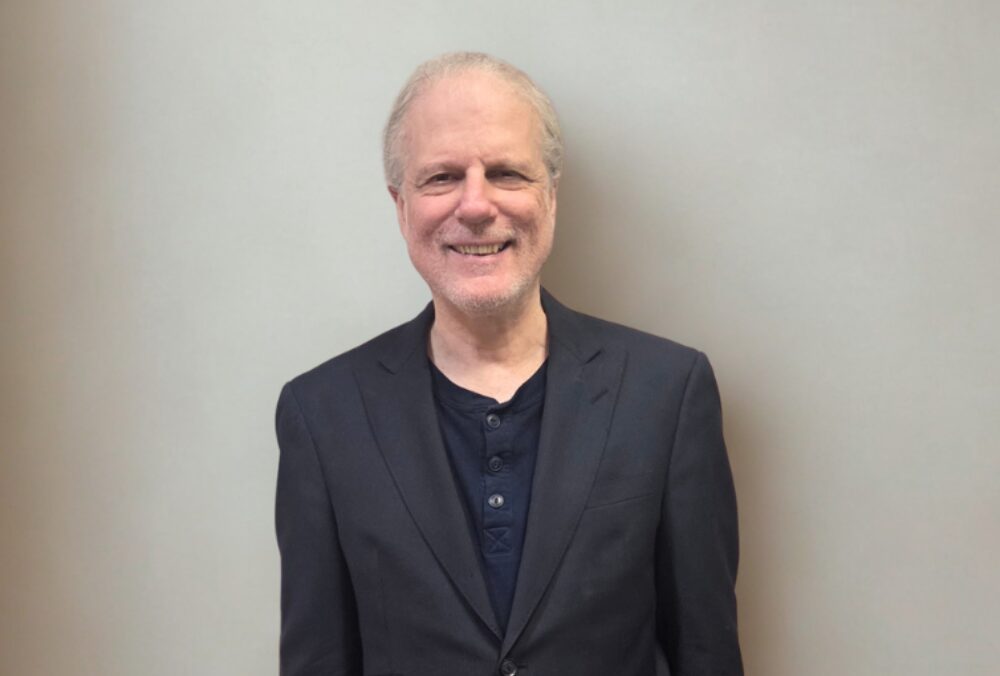
There are guitarists who master technique, and then there are players who make the instrument feel alive. For Sandy Ortega, the difference has always come down to feeling — the elusive Spanish touch that transforms precision into emotion. Long before audiences in New York began discovering his performances, Ortega was already chasing that sensation through hours of study, instinct, and devotion to the guitar.
Raised on the works of legendary Spanish musicians like Andrés Segovia and composer Joaquín Malats, Ortega immersed himself in the traditions that shaped classical Spanish guitar. But rather than simply recreating the past, he found himself drawn toward something more personal. His music now exists in the space between classical structure and flamenco spirit — disciplined yet raw, elegant yet emotionally unpredictable. That balance has become the signature of his Gypsy Spanish guitar compositions.
Interestingly, Ortega’s path as a composer didn’t begin in a rehearsal room or formal studio setting. The spark arrived unexpectedly more than a decade ago during a quiet moment outside his apartment building. What started as a sudden creative impulse slowly evolved into a body of work that resonates because it feels unfiltered and honest. His performances carry that same intensity, often unfolding less like concerts and more like conversations between the artist and the instrument.
That emotional immediacy was especially apparent during Sandy Ortega’s last performance, where the guitarist became so immersed in the performance that, by his own account, time seemed to disappear entirely. Audience members and venue staff alike noted the rare atmosphere created that night — the kind of performance that leaves a room quieter after the final note than before the music began.
More recently, Ortega expanded his artistic vision even further through a two-night collaboration at Arts On Site in Greenwich Village. Performing alongside a professional dancer with experience at Lincoln Center and Alvin Ailey American Dance Theater, Ortega debuted an original composition interpreted live through movement. The performances blurred the line between concert and performance art, bringing together two highly expressive disciplines in a way that felt intimate rather than theatrical.
As Sandy Ortega continues evolving as both a composer and performer, his work stands out not because it demands attention, but because it quietly commands it. In a world crowded with noise and speed, Ortega’s music lingers in the slower, more vulnerable spaces — the ones audiences tend to remember longest.