


Masque on Survival, Identity, and Finding Light Behind the Mask
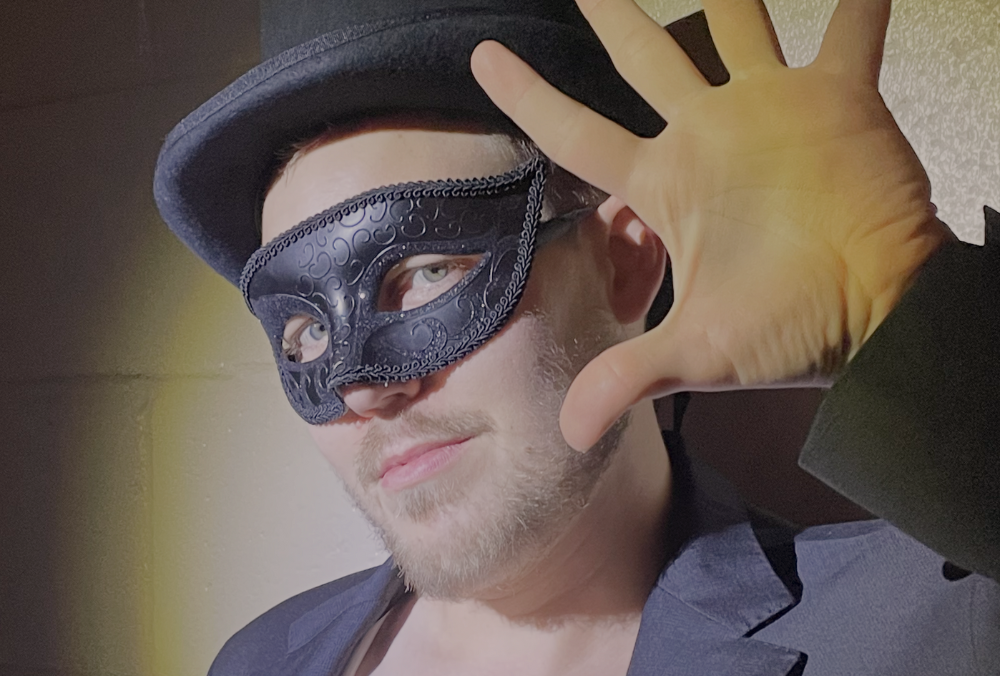
For Masque, music has never been about aesthetics alone—it’s been about survival, self-definition, and learning how to stand in the light without erasing the shadows that shaped him. A rock artist emerging from Hawaiʻi with a sound that leans dark, theatrical, and emotionally unguarded, Masque exists slightly outside expectation, blending vulnerability with conviction in a way that feels both deliberate and deeply personal.
His single “Save Me, Lady Gaga” captures that tension perfectly. Inspired by Lady Gaga’s ARTPOP era and written from a place of lived experience, the song frames music as a lifeline—something that pulls you forward when everything else is trying to drag you under. It’s not a gimmick or a name-drop. It’s a reflection of how sound, identity, and honesty became inseparable for him during some of his darkest moments.
Behind the mask—a recurring visual symbol in his work—Masque explores themes of mental health, self-worth, queerness, and growth without leaning into melodrama or easy catharsis. The mask doesn’t hide him; it sharpens the focus. Each color, shape, and iteration mirrors a mood, a chapter, or an emotional state, allowing him to reveal more by choosing what to conceal.
That balance between exposure and control has earned him growing recognition, including a Best Rock Album nomination at the 2025 Hoku Awards for Midnight Flames. But accolades aside, Masque remains grounded in the idea of the journey: unfinished, ongoing, and powered by faith in forward motion.
In this interview, Masque opens up about music as a survival, the meaning behind the mask, finding confidence through vulnerability, and what it means to tell a queer story that’s personal rather than performative. It’s a conversation about pain, persistence, and believing in the light—even when you can’t see it yet.
Your upcoming single, “Save Me, Lady Gaga” frames music as survival. When did music first stop being just a passion for you and start feeling like something that kept you going?
Music first became my tool for survival in 2013, when Lady Gaga released her album Artpop. I was going through a dark time, and her music pulled me forward as the darkness attempted to pull me back. Music grew even more important during 2020, when everyone was going through a dark place, and it became a shining lighthouse.
You’re a rock artist from Hawaii, which isn’t the usual place people expect this kind of sound to come from. How did growing up there shape your identity and your creative outlook?
My music is certainly very different from the music that most radio stations play in Hawaiʻi. My style has always been a bit dark and moody, but the upbeat music in Hawaiʻi gave me a piece of joy that balances the tone of my music.

Lady Gaga appears in the song more as a symbol than a literal reference. What does she represent for you personally in terms of freedom, voice, or self-expression?
Lady Gaga represents a person who has gone through dark times and pulled herself into the light. She leads by example, giving me the courage to speak openly and honestly about my life and emotions. Of course, she is also a music legend whose style has a deep and personal influence on my own.
Your stage name is Masque, and visually, you often lean into wearing a mask. What’s the story behind that name, and what does the mask allow you to express that you maybe couldn’t otherwise?
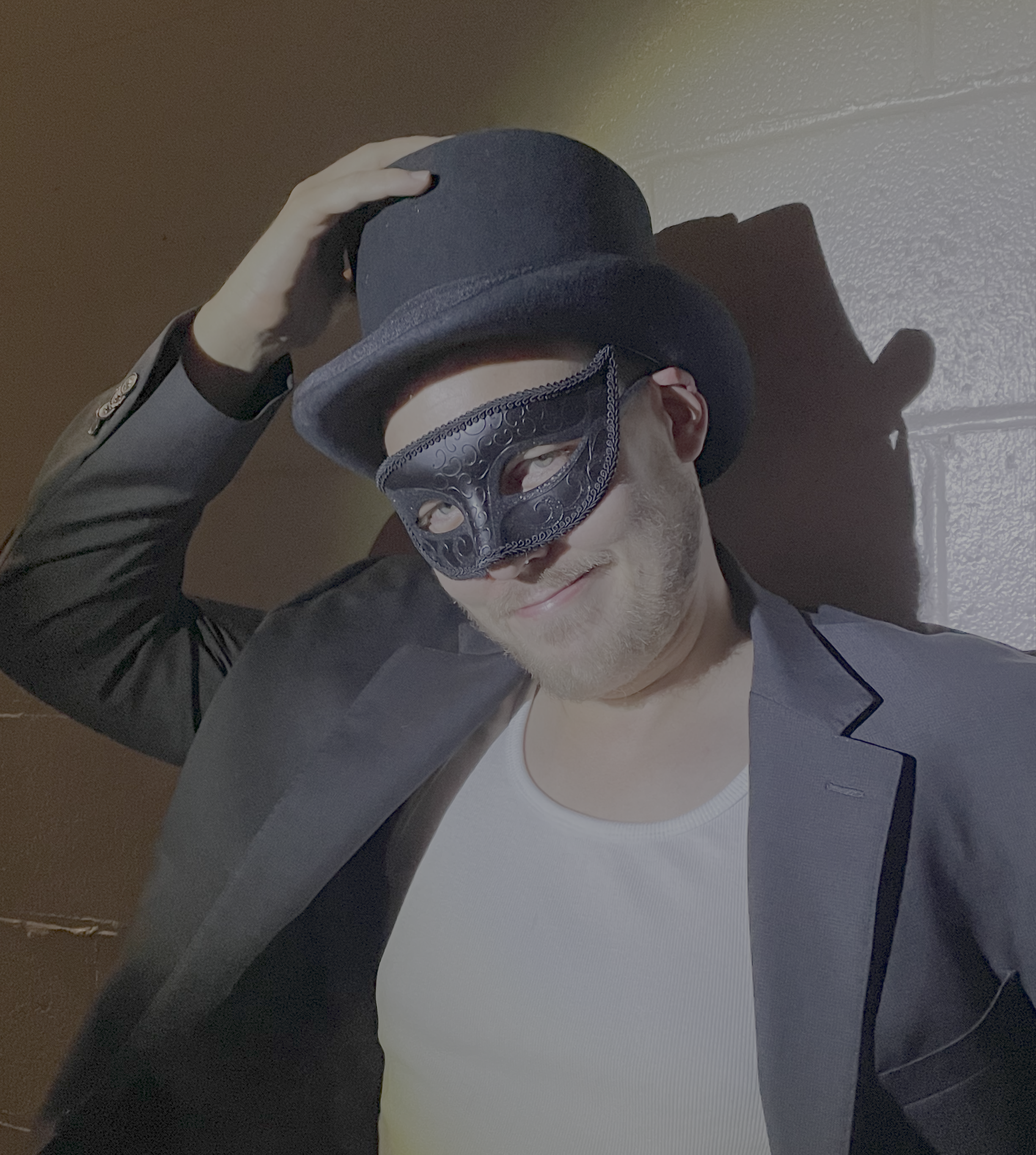
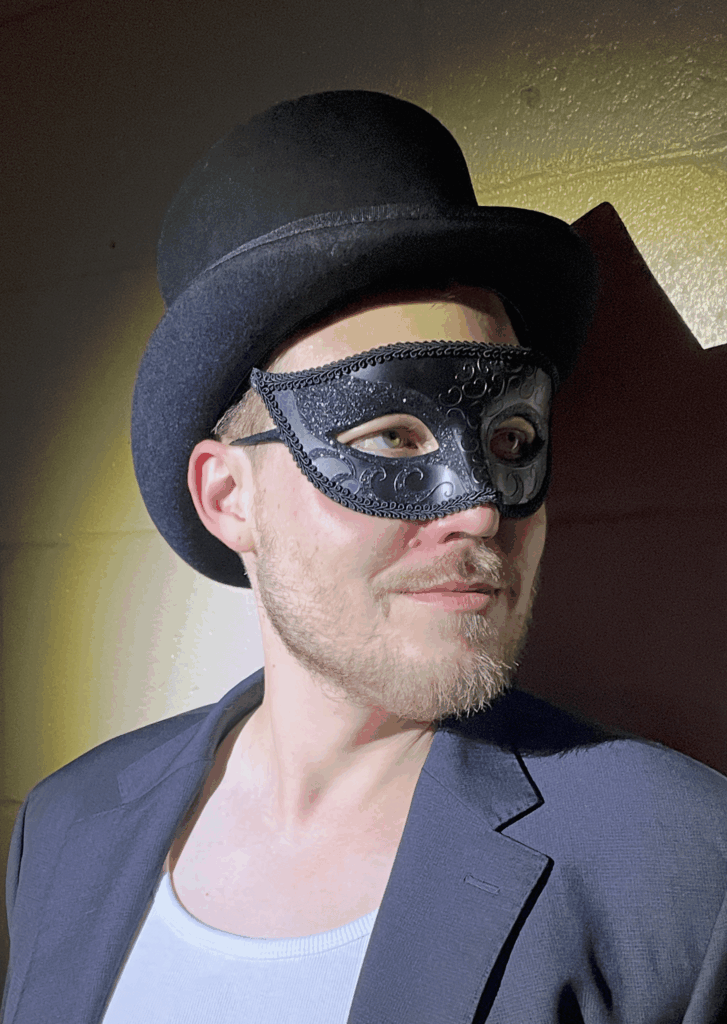
The mask is a metaphor for hiding. So much of my life has been spent hiding my identity and burying my emotions deep down inside; now, I am exchanging my figurative mask for a literal mask, allowing my emotions to come out while keeping a physical reminder of the past.
Do you see the mask as something that hides you or something that actually reveals more of who you are?
I’ve performed in a number of different masks, and these allow me to reveal my personality. The styles and colors of my masks reveal moods, both my own and of my music.
Your music balances vulnerability with confidence in a way that feels very intentional. Was that duality something you were always comfortable with, or did it take time to own that contrast?
This is a duality that I strove for. I started with the vulnerability many of us feel and nurtured a confidence within myself that slowly grew until it had reached a beautiful balance. Now that I have reached that point, I feel comfortable with it.
You’ve mentioned influences like Queen and Lady Gaga, both known for theatricality and bold personas. How do you channel that influence without losing your own authenticity?
You can tell by my outfit that I have my own flair—the flamboyance of both artists mixed in with my own identity and artistic intuition. Even when I attempt to perfectly channel another artist, I find it impossible to abandon my own style.
Midnight Flames earned a nomination for Best Rock Album at the 2025 Hoku Awards. How did that recognition affect your confidence and direction moving forward?
I was honored to receive such noteworthy recognition from my peers in Hawaiʻi. I’m still a growing artist, and this gave me a sense of validation that added to my drive to keep making music. It also validated my choice to focus on my particular flavor of rock music.
As an openly gay rock artist, visibility naturally becomes part of the conversation. How do you personally navigate representation versus simply telling your own story?
When I talk to my peers in the LGBTQ+ community, I notice that everyone has a unique story to tell—that is, if they are willing to be open and someone is willing to listen. I realized the key to keeping my music personal was to find the parts of my life that touch my identity as a gay man that are also unique to me.
Many of your lyrics touch on mental health, identity, and self-worth without sounding heavy-handed. How do you decide when a song needs honesty versus restraint?
Believe me, I can be very heavy-handed if I want to. But I also strongly dislike heavy-handedness in the music of others. As such, when I write a personal song or a song with a message, I ask myself ‘what would make me like this as a listener? What would be the best balance to get the message through while still being enjoyable?’
“Save Me, Lady Gaga” moves from insecurity toward self-recognition. Was that emotional journey something you were consciously writing toward, or did it unfold naturally?
On paper, it’s something I easily wrote towards, as it is the story of my life. But in life, it’s a journey that I worked very hard to travel.
You’re planning to release the music video a few weeks after the single drops. Do you already have a visual concept in mind, and will the mask play a role in that story?
The mask will primarily be a part of my costume. I can’t say much more than that at the moment, as I don’t want to spoil the surprise.
Looking ahead to this next chapter, what do you want people to understand about Masque — not just the artist, but the person behind the mask?
I want people to know that I am a determined man on an endless journey. It’s a journey with pain, but not one that I will ever give up on. I am the sort of person who believes in the light at the end of the tunnel, even if I cannot see it. I have faith, and I have strength.