


Jadakiss Weighs In on Drake’s Diss Toward DJ Khaled
Legendary rapper Jadakiss defends the competitive nature of hip-hop following Drake’s lyrical jab at DJ Khaled on the album ‘ICEMAN’.
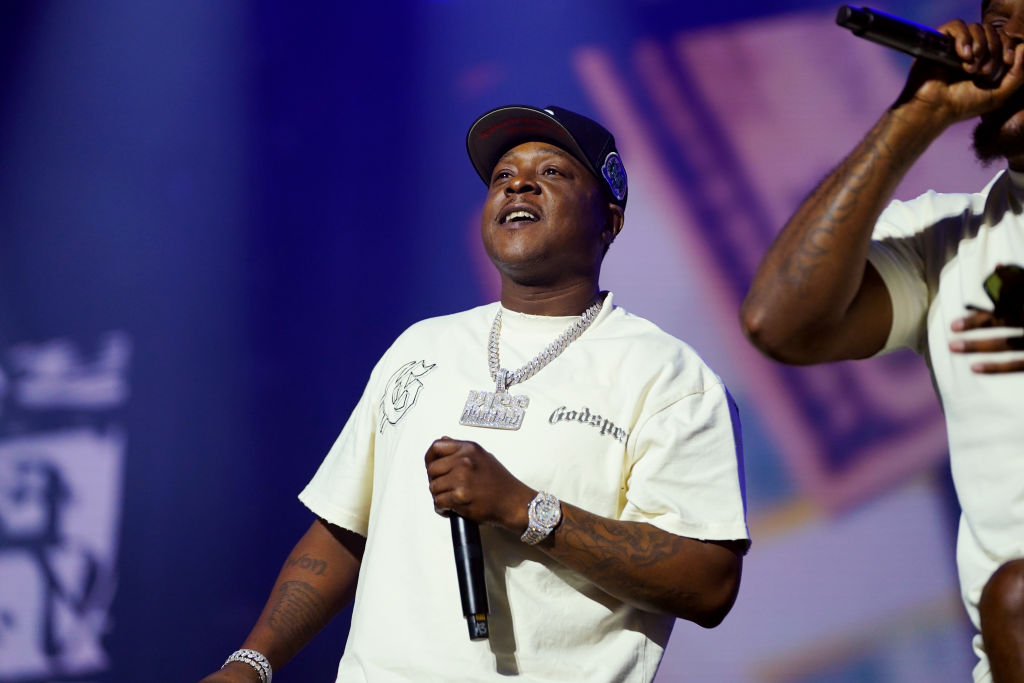
Jadakiss is stepping up to defend the competitive spirit of hip-hop following the release of Drake’s latest album, ICEMAN. The project, which has sparked significant debate, features a track titled “Make Them Pay,” where Drake takes a direct lyrical shot at DJ Khaled.
During a recent appearance on the Joe and Jada Podcast, the Yonkers veteran addressed the backlash surrounding the diss. Jadakiss argued that the current climate of rap culture has become overly restrictive, creating “invisible lines” that dictate who can be targeted in a musical competition and what topics are considered off-limits.
“That’s what’s wrong with hip-hop,” Jadakiss stated. “It’s invisible lines. It’s this and that. Is it beef? Is it hip-hop? What could be said? What can’t be said?”
The controversy stems from lines in “Make Them Pay,” where Drake critiques DJ Khaled’s silence regarding the situation in Palestine. “And, Khaled, you know what I mean / The beef was fully live, you went halal and got on your deen,” Drake rapped. “And your people are still waitin’ for a free Palestine.”
While some critics felt the lyrics were unnecessary, Jadakiss maintained that as long as the conflict remains within the realm of music, it is a valid part of the culture. He emphasized that the moment a dispute moves beyond the music, it ceases to be hip-hop. When asked about the argument that DJ Khaled is not a traditional battle rapper, Jadakiss dismissed the notion, noting that the competitive nature of the genre is open to those who choose to participate.
DJ Khaled has since responded indirectly via social media, posting a message focused on spiritual resilience rather than engaging in a direct back-and-forth. The incident remains a flashpoint in the ongoing conversation about the evolving rules of lyrical warfare and artistic loyalty in the modern era.